

Modern agriculture is facing one of the most complex challenges in its history: producing more food, with fewer resources, under increasingly unpredictable environmental conditions. In this context, biologicals in agriculture are emerging as a key component of modern farming systems, helping growers respond to climate change, soil degradation, water scarcity, stricter regulations on chemical residues, and growing consumer demand for sustainable food.
For decades, agricultural productivity has relied heavily on synthetic fertilizers and chemical crop protection products. While these tools have played a crucial role in increasing yields, their limitations are becoming increasingly evident. Resistant pests and diseases, declining soil health, and environmental concerns are forcing the sector to rethink its approach to crop management.
This is where biologicals in agriculture are gaining relevance. Rather than acting through direct chemical intervention, biological products work by harnessing natural processes to support plant development, enhance resilience to stress, and improve the efficiency of nutrient use. They do not aim to replace conventional inputs entirely, but to complement them, offering farmers a more balanced, adaptive, and sustainable toolbox.
Biologicals are now a key pillar in modern farming systems, particularly as growers adopt integrated and regenerative agricultural practices. By strengthening plant physiology, supporting beneficial soil microorganisms, and reducing dependency on aggressive chemical solutions, biological products are helping agriculture move towards a model that prioritizes long-term productivity and environmental stewardship.
Understanding what biologicals are, how they work, and why they are becoming essential is no longer optional—it is fundamental for anyone involved in modern crop production.
What are biologicals in agriculture?
Biologicals in agriculture refer to a broad category of products that are derived from, or inspired by, natural biological processes and organisms. Unlike conventional chemical inputs, biological products work by supporting plant physiology, soil biology, and ecological interactions that already exist within agricultural systems.
These products are designed to enhance crop performance by improving plants’ natural ability to grow, absorb nutrients, tolerate stress, and defend themselves against pests and diseases. Rather than acting through direct chemical intervention, biologicals interact with living systems, making their mode of action more adaptive and closely aligned with natural plant and soil functions.
Agricultural biologicals can be based on a wide range of natural sources, including beneficial microorganisms, seaweed extracts, aminoacids, and other bioactive compounds naturally involved in plant metabolism. Their effectiveness depends not only on the biological component itself, but also on formulation quality, application strategy, and compatibility with existing crop management practices.
One of the defining characteristics of biologicals is their complementary role within integrated crop management systems. They are not intended to fully replace fertilizers or crop protection chemicals, but to work alongside them, improving overall efficiency and reducing unnecessary chemical pressure on crops and soils.
As farming systems evolve towards sustainability, resilience, and resource efficiency, biologicals in agriculture are becoming essential tools for growers seeking long-term productivity without compromising environmental balance.
Types of biologicals used in modern agriculture
Biologicals used in agriculture encompass a diverse range of products, each designed to support crops through different biological mechanisms. Although they share a common foundation in natural processes, agricultural biologicals are generally classified into three main categories based on their primary function: biostimulants, biocontrols, and nutrient use efficiency products. Understanding these categories is essential to selecting the right solutions for specific crops, environments, and production goals.
Biostimulants
Biostimulants are biological products that enhance plant growth and development by stimulating natural physiological processes. Rather than supplying nutrients directly or acting as pesticides, biostimulants improve how plants use available resources, helping them perform better under both optimal and stressful conditions.
These products play a crucial role in increasing plant resilience to abiotic stresses such as drought, heat, cold, salinity, and nutrient imbalance. By supporting processes like root development, photosynthesis, and metabolic activity, biostimulants contribute to more uniform growth, improved crop quality, and greater yield stability.
Biostimulants can be applied to seeds, foliage, or the root zone, depending on the formulation and agronomic objective. Their effectiveness is closely linked to timing, dosage, and formulation quality, making technical knowledge and field validation essential for consistent results.
Biocontrol
Biocontrol products are designed to manage pests, diseases, and weeds through biological mechanisms rather than synthetic chemical action. They work by leveraging beneficial organisms or natural compounds to suppress harmful populations, interrupt life cycles, or reduce the ability of pathogens and pests to cause damage.
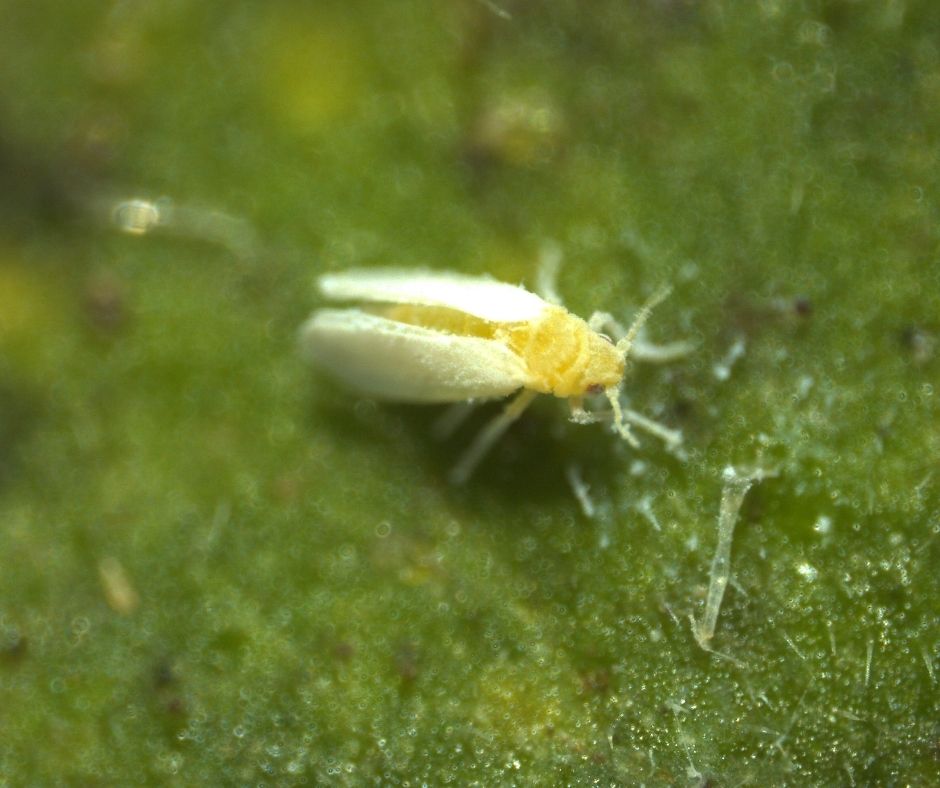
In modern agriculture, biocontrols are increasingly valued for their selectivity and compatibility with integrated pest management (IPM) programs. Unlike broad-spectrum chemical pesticides, biological control solutions tend to have a lower impact on non-target organisms, including beneficial insects and soil microbiota.
Biocontrol is particularly important in addressing challenges such as pest resistance, residue restrictions, and the need for safer crop protection strategies. When used correctly, they help maintain effective pest control while supporting biodiversity and ecological balance in agricultural systems.
Nutrient use efficiency biologicals and soil–plant interaction products
Nutrient use efficiency (NUE) products and biofertilizers aim to improve the availability, uptake, and utilization of nutrients by crops. These biological solutions enhance root-soil interactions and support natural processes such as nutrient solubilization, mineralization, and biological fixation.
By improving how plants access essential nutrients, NUE products help reduce nutrient losses, increase fertilizer efficiency, and support healthier root systems. This is particularly relevant in soils affected by degradation, compaction, or nutrient imbalances, where conventional fertilization alone may not deliver optimal results.
In addition to improving crop performance, nutrient use efficiency products contribute to more sustainable nutrient management by reducing environmental losses and improving soil fertility over time.

These biologicals may act directly on nutrient availability in the soil or indirectly by improving root activity, water balance, and physiological efficiency, ultimately enhancing how plants access and use nutrients under real field conditions.
Why are biologicals in agriculture becoming essential?
Agriculture today operates under increasing pressure from multiple, interconnected challenges:
- Climate variability
- Extreme weather events
- Declining soil fertility
- Water scarcity
- Tighter regulatory frameworks
These are no longer isolated issues—they directly affect crop productivity, farm profitability, and long-term sustainability.
One of the most significant drivers behind the adoption of biologicals in agriculture is climate change. Rising temperatures, irregular rainfall patterns, and more frequent droughts or flooding events expose crops to prolonged periods of stress. Under these conditions, conventional inputs alone often struggle to maintain stable yields, making biological solutions a valuable tool for improving plant resilience and adaptive capacity.
Soil health is another critical factor. Years of intensive farming practices have reduced organic matter levels, disrupted soil microbial communities, and limited nutrient availability in many agricultural regions. Biologicals in agriculture help restore functional soil ecosystems by supporting beneficial microorganisms, improving root–soil interactions, and enhancing nutrient dynamics, all of which are essential for sustainable productivity.
Water availability has become one of the most limiting resources in modern agriculture. Biologicals that improve water use efficiency and support plant physiological balance under drought conditions allow crops to maintain growth and metabolic activity even when water is scarce. This is particularly relevant in arid and semi-arid regions, where efficient water management is fundamental to crop survival.
In addition, market demands and regulatory pressures are accelerating the transition towards safer and more sustainable production systems. Growers are increasingly required to reduce chemical residues, protect biodiversity, and adopt environmentally responsible practices. Biologicals in agriuculture align naturally with these objectives, offering low-impact solutions that integrate seamlessly into modern crop management programs.
Together, these factors explain why biologicals are no longer considered optional inputs, but essential components of resilient, future-oriented agricultural systems.
5 compelling reasons to shift towards biologicals in agriculture
1. Improved crop resilience under stress
Biologicals enhance plants’ natural ability to withstand environmental stresses, such as drought, heat, salinity, and cold. By supporting physiological processes like osmoregulation, root development, and photosynthesis, these products help crops maintain growth and productivity even under challenging conditions. For example, biostimulants that regulate stress-response genes can allow plants to continue metabolizing and absorbing nutrients effectively during periods of water scarcity.
2. Reduced dependency on chemical inputs
Integrating biologicals into crop management programs reduces the need for synthetic fertilizers and chemical pesticides. Biological products such as biocontrols target pests and diseases with high selectivity, preserving beneficial insects and soil microbiota while maintaining crop protection. This not only lowers input costs but also minimizes chemical residues in soil and harvested produce, supporting regulatory compliance and consumer safety.
3. Healthier soils and long-term productivity
Biologicals interact with the soil ecosystem to improve its structure, nutrient cycling, and microbial diversity. Products that enhance root–soil interactions or solubilize nutrients help maintain long-term soil fertility, prevent degradation, and support sustainable yields. Over time, these practices contribute to regenerative agriculture, ensuring that soils remain productive for future crop cycles.
4. Complementary tools for integrated crop management
Biologicals are designed to work alongside conventional inputs, creating a more balanced and adaptive approach to farming. Their mechanisms—whether improving nutrient availability, stimulating plant growth, or controlling pests naturally—provide flexibility and precision in crop management. Farmers gain more options to address specific challenges while reducing environmental impacts.
5. Alignment with sustainability and market demands
Consumers, retailers, and regulators increasingly demand sustainable and residue-free agricultural products. Biologicals in agriculture contribute directly to these objectives by reducing chemical pressure, preserving biodiversity, and supporting ecosystem health. Crops grown with biological solutions are better positioned to meet sustainability standards, respond to climate challenges, and access high-value markets.
Innovation and Formulation: The Hidden Factor Behind Effective Biologicals

The effectiveness of biologicals in agriculture depends not only on the active biological component but also on the innovation and quality of formulation. Biological products interact with living systems, which makes their stability, consistency, and delivery critical to achieving reliable results in the field.
Advanced research and development play a central role in creating formulations that maintain the viability and activity of beneficial microorganisms or bioactive compounds throughout storage and application. Factors such as shelf-life stability, solubility, and precise application methods are key to ensuring that plants receive the intended benefits at the right time and under varying environmental conditions.
Companies that invest in rigorous R&D can refine biological products to maximize their compatibility with diverse crops, soils, and management practices. They conduct extensive laboratory and field trials to understand how products behave under real-world conditions, adjusting formulations to optimize performance and ensure reproducibility.
For example, biologicals that solubilize nutrients must remain active until they reach the root zone, while biostimulants targeting stress response need to deliver bioactive molecules in forms that plants can absorb efficiently. Formulation science ensures that these products retain their effectiveness across different climates, soils, and cropping systems.
By combining innovation, rigorous testing, and high-quality formulation, modern biologicals in agriculture provide consistent, predictable, and scalable results. Companies specialized in biological R&D, such as Futureco Bioscience, integrate these principles to develop products that support sustainable, resilient, and highly productive farming systems.
Biologicals as a cornerstone of sustainable and regenerative agriculture
Sustainable and regenerative agriculture are no longer theoretical concepts; they have become practical necessities for maintaining productivity in the face of environmental and economic constraints. In this context, biologicals in agriculture play a central role by supporting farming systems that regenerate natural resources rather than exhaust them.
One of the most significant contributions of biologicals lies in their impact on soil health. Healthy soils are living systems, rich in microbial diversity and biological activity. Biological products help restore and maintain this balance by stimulating beneficial microorganisms, improving root–soil interactions, and enhancing the natural cycling of nutrients. Over time, this leads to better soil structure, increased organic matter stability, and improved water retention capacity.
Water management is another critical pillar of regenerative agriculture. As water scarcity intensifies across many agricultural regions, biologicals that support plant physiological balance and water-use efficiency become essential. By enhancing root functionality and regulating stress-related metabolic pathways, these products allow crops to maintain growth and productivity under limited water availability, reducing yield losses during drought periods.
Biologicals also contribute to biodiversity preservation at both above- and below-ground levels. Unlike broad-spectrum chemical inputs, biological solutions are generally selective and compatible with beneficial insects, pollinators, and soil organisms. This selectivity helps maintain functional ecosystems within agricultural fields, strengthening natural resilience against pests, diseases, and environmental stress.
From a climate perspective, regenerative systems supported by biologicals can improve soils’ ability to capture and store carbon, reduce greenhouse gas emissions associated with excessive fertilizer use, and prevent land degradation. By increasing productivity on existing farmland, biologicals also help limit the expansion of agriculture into natural ecosystems.
Together, these effects position biologicals not merely as complementary inputs, but as foundational tools for agricultural systems designed to be productive, resilient, and environmentally responsible over the long term.

The future of biologicals in agriculture
As global agriculture faces mounting pressures from climate change, population growth, and resource limitations, biologicals in agriculture are poised to become indispensable tools for ensuring sustainable productivity. The future of farming lies in approaches that integrate biology, technology, and precise management to optimize plant growth while minimizing environmental impact.
Advances in biotechnology, microbiology, and formulation science are continuously expanding the potential of biological products. Future developments are likely to focus on enhancing specificity, efficacy, and consistency, enabling farmers to apply solutions that are precisely tailored to particular crops, soils, climates, and stress conditions. This evolution will allow agricultural systems to become increasingly predictive and adaptive, moving away from reactive interventions toward proactive crop management.
Societal and regulatory demands for sustainable food production will continue to rise. Consumers are seeking crops grown with reduced chemical residues, while governments are tightening environmental regulations and incentivizing regenerative practices. Biologicals in agriculture offer a natural solution that aligns both with these market demands and with broader ecosystem stewardship, supporting biodiversity, soil health, and climate resilience.
Looking ahead, the adoption of biologicals in agriculture is not just a trend—it represents a fundamental shift toward smarter, more resilient, and environmentally responsible farming. By leveraging the power of natural processes, farmers can achieve higher productivity, protect essential resources, and contribute to a sustainable agricultural future for generations to come.